
Planning a home renovation without a clear timeline is the fastest way to blow your budget and your patience. Most homeowners who run into serious problems skip the planning phase or rush through it. This step-by-step home renovation timeline guide shows you exactly what to do, when to do it, and what to watch out for in 2026.
Quick Facts: Home Renovation Planning at a Glance
Here is a snapshot of what the process actually looks like from start to finish.
| Phase | What Happens | Typical Duration |
|---|---|---|
| Goal setting and scope | Define what you want to renovate and why | 1 to 2 weeks |
| Budget planning | Break down all costs and add contingency | 2 to 4 weeks |
| Design and drawings | Finalise layout, materials, and fixtures | 4 to 8 weeks |
| Permit approval | Submit plans to local building department | 4 to 6 weeks |
| Contractor hiring | Get quotes, check references, sign contracts | 2 to 4 weeks |
| Material ordering | Order long-lead items before work starts | 2 to 6 weeks |
| Construction | Actual building, structural, and finish work | 6 weeks to 12 months |
| Final walkthrough | Punch list, inspections, sign-off | 1 to 2 weeks |
Step 1: Set Your Goals Before You Do Anything Else
The first step in any home renovation plan is knowing exactly why you are doing it.
Are you renovating to enjoy the space for the next 20 years, or are you preparing the house for sale? These two goals lead to completely different decisions. A forever-home renovation prioritises your daily comfort. A presale renovation focuses on features buyers actually pay more for, such as updated kitchens and bathrooms.
Write two lists before you speak to a single contractor. First, write down everything that bothers you about the current space. Second, write down everything you would change if budget was not a concern. Those two lists together become your renovation brief. They guide every decision you make from here forward.
Step 2: Build Your Budget the Right Way
A realistic budget is the foundation your entire renovation stands on. Get it wrong and the project falls apart halfway through.
In 2026, the average whole-home renovation costs $52,275 for a home between 1,250 and 1,600 square feet. The range for most homeowners sits between $19,500 and $88,400 depending on the scope, materials, and your location. Labor costs have risen sharply. General contractors charge $50 to $150 per hour. Licensed plumbers charge $45 to $200 per hour. Electricians charge $50 to $130 per hour.
How to Structure Your Budget
Break your costs into five clear categories:
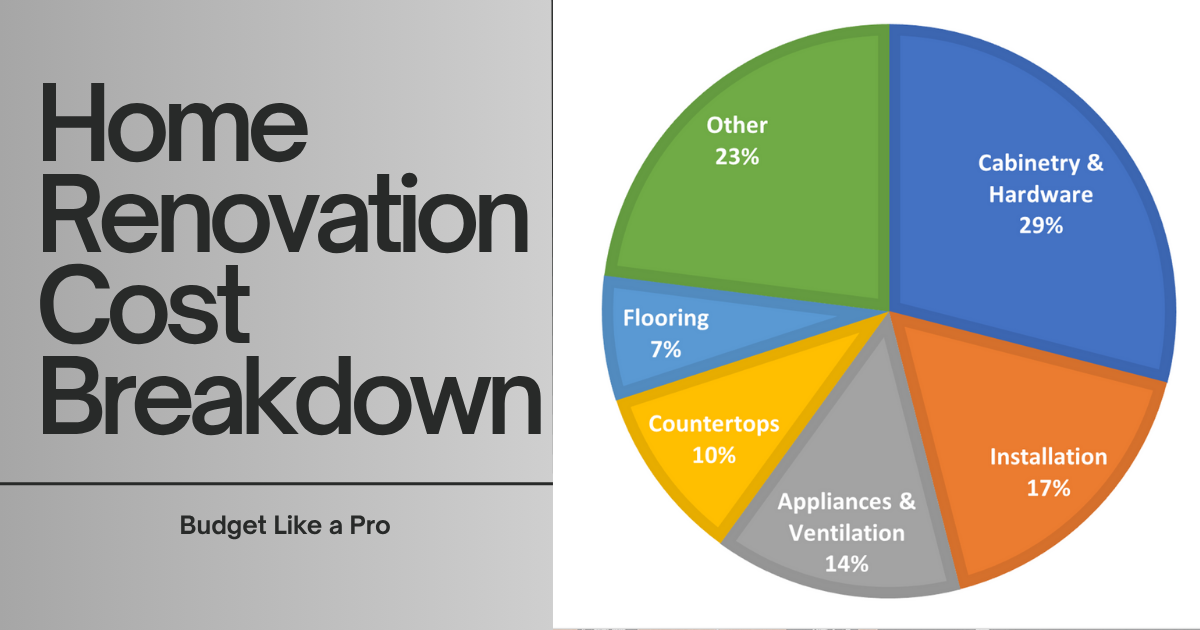
Labor covers your general contractor, plumbers, electricians, and any specialist trades.
Materials covers everything from timber and drywall to tiles, fixtures, and appliances.
Permits and fees covers building department submissions, inspections, and design fees.
Temporary accommodation covers hotel or rental costs if you need to move out during construction.
Contingency is the most important line item. Add 20% on top of your entire estimated cost before you finalise anything. Older homes built before 1980 should add 25% instead. Hidden water damage, outdated wiring, and structural issues appear in almost every renovation once the walls open up.
Step 3: Finalise Your Design and Drawings
This is where your goals take physical shape. For simple cosmetic updates you can work directly with your contractor. For structural changes, layout modifications, or additions, you need an architect or designer involved.
Detailed drawings serve two purposes. They give contractors a precise picture of the work involved, which means more accurate quotes. They also become the documents you submit for permit approval.
Make all your material and finish selections during this phase, before construction begins. Choosing tiles, appliances, cabinetry, and fixtures early prevents costly delays later. Long lead items like custom cabinets and specialty fixtures can take 6 to 12 weeks to arrive. If you order them late, your contractor sits idle waiting for them while the bill keeps running.
A golden rule: have your designs fully finalised and your materials on-site before demolition begins. Changing your mind after construction starts costs two to three times more than making the same decision during design.
Step 4: Get Your Permits Sorted Early
Permits take longer than most homeowners expect. Start 6 to 12 months before your planned start date if your project involves any structural, electrical, plumbing, or HVAC changes.
Any project that alters your home’s structure or touches its primary systems legally requires a permit. This includes kitchen remodels, bathroom additions, room extensions, deck construction, and HVAC replacements. Skipping this step leads to fines, forced removal of completed work, and serious complications when you try to sell the property.
The permit process involves submitting your design drawings to the local building department for review and approval. In most areas this takes 4 to 6 weeks. In some jurisdictions it can run longer. Your contractor typically handles permit submissions on your behalf, but you need to confirm this upfront and include the timeline in your project schedule.
Step 5: Hire the Right Contractor
Choosing the right contractor is the single decision that makes or breaks your renovation. Do not let price be the only factor.
Here is exactly what to check before you sign anything:
License and insurance. Ask for proof of a valid contractor’s license and full liability insurance. Never skip this.
References from recent projects. Call at least two or three past clients. Ask whether the project finished on time, on budget, and whether they would hire the same contractor again.
Three written quotes. Get quotes from at least three contractors for the same scope of work. The lowest quote is rarely the best value once you factor in experience and workmanship.
A detailed contract. Everything belongs in writing. Scope of work, payment schedule, project timeline, material specifications, and how changes will be priced and approved. No handshake agreements.
Milestone-based payments. Never pay a large sum upfront. A small deposit to mobilise is standard. Every payment after that should be tied to the completion of a specific phase of the work.
In 2026, contractor availability is tighter than it has been in years. 93% of homeowners plan to hire professionals for renovation work. Book your contractor earlier than you think you need to.
Step 6: Create a Realistic Project Timeline
A project timeline is not just a list of dates. It is a coordination tool that keeps every trade on schedule and prevents expensive gaps between phases.
Realistic Renovation Durations in 2026
| Project Type | Construction Duration |
|---|---|
| Bedroom refresh (cosmetic) | 1 to 2 weeks |
| Bathroom remodel (standard) | 6 to 8 weeks |
| Kitchen remodel (mid-range) | 8 to 12 weeks |
| Room addition | 3 to 4 months |
| Accessory dwelling unit (ADU) | 6 to 9 months |
| Whole house renovation | 4 to 12 months |
Add these figures to your permit timeline and design phase to get your total project duration. Most projects run slightly over the initial estimate. Build two to four weeks of buffer into every phase.
Order tasks in the right sequence. Structural work always comes before finishes. Electrical and plumbing rough-ins happen before walls close up. Flooring goes in after painting. Skipping the correct order means tearing out completed work and starting again.
Step 7: Prepare Your Home and Your Household
Construction is disruptive. Preparing properly makes it manageable.
Take detailed photos of every room before work starts. You want a clear record of the pre-renovation condition for both sentimental and insurance reasons.
Set up temporary solutions for rooms being taken out of service. If your kitchen is out of commission for 8 to 12 weeks, you need a functioning temporary cooking space. If you are doing a whole-house renovation, budget for short-term rental accommodation. Trying to live through a complete gut renovation almost always extends the timeline because it slows the crew down.
Use dust barriers and plastic sheeting to contain debris to the work zone. Clear out furniture and valuables from all construction areas before the first day of work.
Step 8: Stay Involved During Construction
Handing over to your contractor does not mean disappearing. Regular involvement keeps the project on track and catches problems early.
Schedule weekly check-ins with your contractor. Review progress against the timeline at each meeting. Address any issues or changes immediately rather than letting them pile up.
Keep a written record of every decision and change made during construction. Any scope change should go through a formal written change order before work proceeds. Verbal agreements about changes lead to disputes about cost and accountability.
Document each phase of construction with photos. This helps you track progress, spot inconsistencies, and gives you a clear record if disputes arise later.
Step 9: Complete the Final Walkthrough and Sign-Off
Before you make your final payment, walk through every inch of the completed work with your contractor.
Create a written punch list of every item that needs correction, adjustment, or completion. This includes paint touch-ups, hardware not yet installed, doors that do not close properly, and any unfinished details. A professional contractor addresses the punch list before receiving final payment.
Obtain all final building inspections and permit sign-offs from your local building department. These documents confirm your renovation meets code and become essential records when you sell the property.
Schedule a professional deep clean after all work is complete. Construction generates significant dust and debris that spreads through the entire house, including rooms that were not part of the renovation.
Lesser-Known Facts About Renovation Planning
Most renovation guides skip these details. You need to know them.
79% of homeowners in 2026 are choosing to renovate rather than move. High mortgage rates and limited housing inventory make staying and improving your current home the financially stronger option for most people right now.
Material costs in 2026 are approximately 5.6% higher than 2025 due to inflation and ongoing tariff pressures on imported building materials. This affects lumber, tile, appliances, and fixtures. Factor this into your budget if you are comparing quotes from previous years.
The homeowner remodeling market is projected to reach $524 to $526 billion in early 2026, a new record. This level of demand means contractors are busy. If you want quality work at a fair price, you need to start your search earlier than you did even two or three years ago.
Starting your planning in late summer or early autumn gives you the best shot at securing a skilled contractor for a spring or summer build, when conditions for construction work are most favourable.
Frequently Asked Questions
How far in advance should I start planning a home renovation?
You should start planning 6 to 12 months before your target start date for any project involving structural changes, permits, or a full kitchen or bathroom remodel. Simpler cosmetic updates need less lead time, but you still need at least 8 to 12 weeks to hire a contractor, finalise materials, and get your schedule set.
What is the correct order of work in a home renovation?
The correct order is: structural and foundation repairs first, then roofing if needed, then rough-in electrical and plumbing inside the walls, then insulation and drywall, then flooring, then cabinetry and fixtures, then painting, and finally hardware and cosmetic finishes. Always work from the biggest structural items down to the smallest details.
How do I avoid going over budget on my renovation?
Add 20% to your total estimated cost as a contingency before you commit to any scope of work. Finalise all design decisions and material selections before construction begins. Use milestone-based contractor payments so money only moves when phases are completed. And avoid making scope changes once the build has started as these are the primary cause of budget overruns.
Can I live in my house during a full renovation?
You can live in your home during single-room renovations or phased projects where at least one bathroom and a cooking area remain functional. For whole-house renovations, moving out is almost always the better choice. Staying in the home during a complete overhaul typically extends the timeline and increases total cost because it limits the hours and access the crew can work.
What happens if my renovation takes longer than planned?
Delays are common in renovation projects. Material delivery issues, permit processing times, and problems uncovered during demolition are the most frequent causes. Build buffer time into every phase of your schedule. Make sure your contract specifies how delays are handled, who is responsible, and how additional costs from delays are calculated and approved.

We have experienced article publishers with a strong background in digital media, SEO writing, and content strategy. Skilled in creating engaging, well-researched, and reader-focused articles that drive traffic and build authority. Passionate about delivering high-quality content across diverse niches, maintaining editorial standards, and optimizing every piece for maximum reach and impact.