

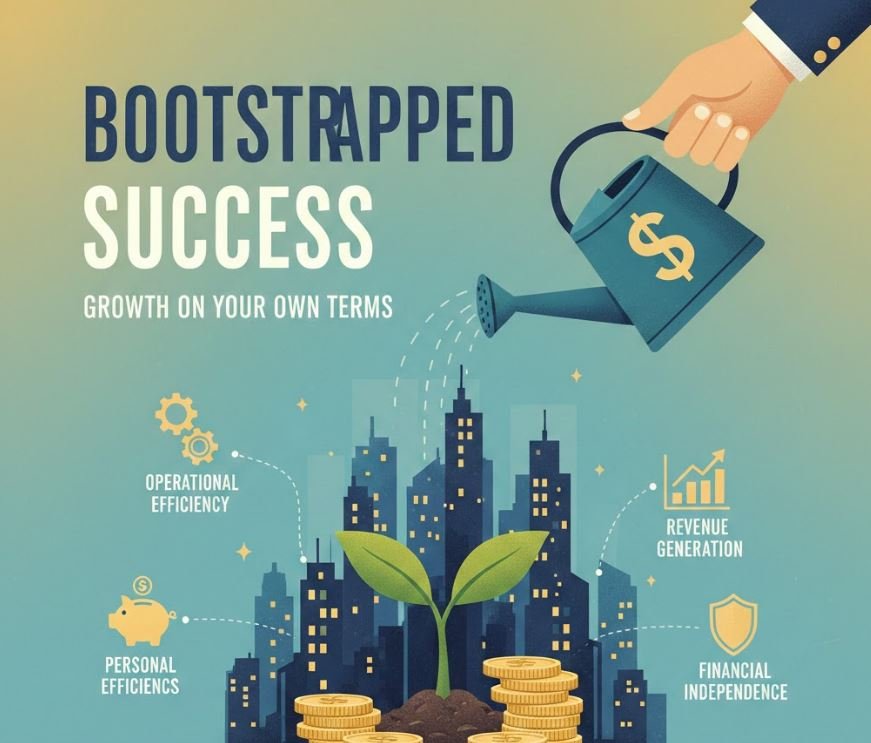
Building a successful startup doesn’t always require venture capital or angel investors. Many entrepreneurs are discovering the power of a startup bootstrapped fundraising strategy that prioritizes sustainable growth and financial independence. This approach allows founders to maintain complete control over their vision while building a profitable business from the ground up.
Bootstrapping has become an increasingly attractive option for startups in today’s competitive landscape. By leveraging personal resources, revenue generation, and strategic reinvestment, entrepreneurs can create thriving businesses without diluting ownership or answering to external stakeholders. This comprehensive guide explores everything you need to know about implementing an effective bootstrapped fundraising approach for your startup.
Understanding Bootstrapped Fundraising
Bootstrapped fundraising refers to the practice of starting and growing a business using personal finances, revenue generated from operations, and minimal external capital. Unlike traditional fundraising methods that rely on venture capitalists or angel investors, this strategy emphasizes self-sufficiency and organic growth.
The core philosophy behind a startup bootstrapped fundraising strategy centers on building a sustainable business model from day one. Founders focus on generating revenue quickly, managing expenses carefully, and reinvesting profits back into the company. This approach may take longer initially but often results in stronger business fundamentals and greater long-term stability.
Many successful companies including Mailchimp, Basecamp, and GitHub started as bootstrapped ventures. These examples demonstrate that with the right strategy, discipline, and execution, bootstrapping can lead to remarkable success without sacrificing equity or control.
Benefits of Bootstrapping Your Startup
Choosing a bootstrapped approach offers several compelling advantages. First and foremost, founders retain complete ownership and control over their company. Without external investors dictating strategy or demanding board seats, entrepreneurs can make decisions aligned with their vision and values.
Financial discipline becomes ingrained in the company culture when following a startup bootstrapped fundraising strategy. Every dollar counts, leading to more thoughtful spending decisions and creative problem-solving. This lean mindset often results in more efficient operations and better resource allocation than venture-backed competitors who may spend recklessly.
Bootstrapped companies can also pivot more easily. Without investor commitments tied to specific business models or markets, founders have the flexibility to adapt quickly to changing circumstances. This agility can be a significant competitive advantage in fast-moving industries.
Challenges of Bootstrapped Fundraising
While bootstrapping offers many benefits, it also comes with unique challenges. Limited capital means slower growth compared to well-funded competitors. Startups implementing this strategy must be patient and accept that scaling will take time.
Cash flow management becomes critical when bootstrapping. Unlike venture-backed startups with substantial runway, bootstrapped companies must carefully balance revenue generation with operational expenses. A single misstep can threaten the entire business.
Personal financial risk also increases significantly. Many bootstrapped founders invest personal savings, max out credit cards, or take out loans to fund their ventures. This financial exposure adds pressure and stress that can impact both business decisions and personal wellbeing.
Creating Your Bootstrapped Fundraising Plan
A successful startup bootstrapped fundraising strategy begins with meticulous planning. Start by calculating your minimum viable capital – the absolute minimum amount needed to launch and sustain operations until revenue covers expenses.
Identify all potential funding sources available to you. This might include personal savings, retirement accounts, home equity, credit cards, or loans from friends and family. Document each source, the amount available, and any associated costs or risks.
Develop a realistic financial projection covering at least the first 18 months. Include conservative revenue estimates, detailed expense forecasts, and clear milestones for achieving profitability. This plan becomes your roadmap and helps identify potential shortfalls before they become critical.
Revenue Generation Strategies
Generating revenue quickly is essential for any startup bootstrapped fundraising strategy. Focus on products or services that solve immediate customer problems and can be monetized from day one. Avoid lengthy development cycles that delay income generation.
Consider offering consulting or service-based offerings alongside your core product. Many successful bootstrapped companies used consulting revenue to fund product development. This approach provides immediate cash flow while building relationships with potential customers.
Implement creative pricing strategies that accelerate revenue. Annual subscriptions paid upfront provide valuable working capital. Tiered pricing models can capture different customer segments while maximizing revenue per customer. Early bird discounts incentivize quick adoption while generating crucial early-stage funding.
Minimizing Operational Costs
Cost control is fundamental to bootstrapping success. Start by distinguishing between essential and nice-to-have expenses. Cut ruthlessly anything that doesn’t directly contribute to revenue generation or customer satisfaction.
Embrace remote work to eliminate expensive office space. Utilize free or low-cost software tools instead of enterprise solutions. Negotiate payment terms with vendors to improve cash flow. Every dollar saved extends your runway and brings profitability closer.
Consider bartering or equity arrangements for services you need. Many service providers are willing to exchange their expertise for equity or reciprocal services, preserving precious cash reserves.
Leveraging Personal Networks
Your personal and professional networks represent valuable resources in a startup bootstrapped fundraising strategy. These connections can provide customers, partnerships, advice, and even small investments without the formality of institutional fundraising.
Reach out to former colleagues, classmates, and industry contacts who might benefit from your solution. Personal referrals convert at higher rates than cold outreach and often come with valuable feedback and introductions.
Join entrepreneurial communities and startup accelerators that don’t require equity. These networks provide mentorship, resources, and connections that can accelerate growth without diluting ownership.
Alternative Funding Sources
While maintaining a bootstrapped approach, strategic use of alternative funding can extend runway without sacrificing control. Revenue-based financing allows companies to access capital in exchange for a percentage of future revenue rather than equity.
Small business grants from government agencies and private foundations provide non-dilutive capital for qualifying startups. Research opportunities specific to your industry, location, or founder demographics.
Crowdfunding platforms enable you to validate market demand while raising capital directly from future customers. Successful campaigns provide both funding and proof of concept that can fuel organic growth.
Building Strategic Partnerships
Partnerships can accelerate growth while conserving capital in your startup bootstrapped fundraising strategy. Look for complementary businesses that serve your target market with non-competing products or services.
These partnerships can provide access to new customer bases, shared marketing costs, and collaborative product development. The key is finding arrangements where both parties benefit without requiring significant financial investment.
Consider white-label or reseller agreements that generate revenue without the full cost of customer acquisition. These arrangements can provide stable income streams while you build your direct sales channels.
Scaling While Bootstrapped
Scaling a bootstrapped startup requires careful balance between growth and sustainability. Resist the temptation to grow too quickly, which can strain resources and compromise quality.
Focus on organic growth driven by customer satisfaction and word-of-mouth referrals. Invest heavily in customer success to maximize retention and lifetime value. Happy customers become your most effective sales force.
Automate and systematize processes before adding headcount. Technology investments that improve efficiency provide better returns than hiring additional staff prematurely.
Managing Cash Flow Effectively
Cash flow management can make or break a startup bootstrapped fundraising strategy. Implement systems to track cash position daily and forecast at least 90 days ahead.
Accelerate receivables by offering discounts for early payment and following up promptly on overdue invoices. Delay payables strategically by negotiating favorable payment terms without damaging vendor relationships.
Maintain a cash reserve equal to at least three months of operating expenses. This buffer protects against unexpected challenges and provides peace of mind during uncertain periods.
Knowing When to Seek External Funding
Even with a strong bootstrapped foundation, some startups eventually need external capital to reach their full potential. Recognizing this inflection point is crucial.
Consider raising external funding when organic growth creates opportunities that require significant capital to capture. If competitors are gaining market share because they can outspend you, strategic funding might be necessary.
The advantage of bootstrapping first is that external funding comes on better terms. Proven traction, revenue, and profitability give you negotiating power and higher valuations than pre-revenue startups.
Success Stories and Lessons Learned
Numerous companies have proven that a startup bootstrapped fundraising strategy can lead to extraordinary success. Mailchimp grew to a multi-billion dollar valuation entirely bootstrapped before eventually selling. The founders maintained complete control and built the company according to their values.
Basecamp has remained proudly bootstrapped for over two decades, proving that sustainable businesses don’t require venture capital. Their focus on profitability and work-life balance created a company culture that attracts top talent.
These success stories share common themes: disciplined financial management, customer-centric product development, and patient, sustainable growth. They demonstrate that bootstrapping isn’t just about surviving with limited resources but thriving through strategic choices.
Conclusion
A well-executed startup bootstrapped fundraising strategy offers entrepreneurs a powerful path to building successful, sustainable businesses while maintaining control and ownership. Though challenging, bootstrapping instills financial discipline, encourages creativity, and often results in stronger companies than those relying on external funding.
The key to success lies in careful planning, relentless focus on revenue generation, disciplined cost management, and patience to let sustainable growth compound over time. By leveraging the strategies outlined in this guide, you can build a thriving business on your own terms.
Ready to launch your bootstrapped startup? Start by creating a detailed financial plan, identifying your minimum viable capital needs, and developing a clear path to profitability. Remember that every successful company started with a single step. Take yours today and join the growing community of successful bootstrapped entrepreneurs who proved that you don’t need venture capital to build something remarkable.
Frequently Asked Questions
What is a bootstrapped fundraising strategy for startups?
A bootstrapped fundraising strategy involves starting and growing a business using personal resources, operational revenue, and minimal external capital instead of seeking venture capital or angel investment. This approach prioritizes self-sufficiency and sustainable growth.
How much money do I need to bootstrap a startup?
The amount varies significantly based on your business model, industry, and operational needs. Calculate your minimum viable capital by identifying essential expenses until you reach profitability. Many successful bootstrapped startups began with less than $10,000, while others required $50,000 or more.
What are the biggest challenges of bootstrapping?
The primary challenges include limited growth capital, intense cash flow pressure, personal financial risk, slower scaling compared to funded competitors, and the stress of self-funding. Success requires exceptional discipline, creativity, and patience.
Can bootstrapped startups compete with venture-backed companies?
Yes, bootstrapped startups can compete effectively by focusing on profitability, customer satisfaction, and operational efficiency. While they may grow slower initially, they often build stronger fundamentals and can be more agile in responding to market changes.
When should a bootstrapped startup seek external funding?
Consider external funding when you’ve proven your business model, achieved consistent revenue, and identified growth opportunities that require capital beyond what organic growth can provide. Bootstrapping first typically results in better funding terms and higher valuations.
What are the best revenue generation strategies for bootstrapped startups?
Focus on monetizable products from day one, consider consulting or services alongside product development, implement annual subscription models, create tiered pricing structures, and prioritize customer retention to maximize lifetime value. Quick revenue generation is essential for bootstrapped success.