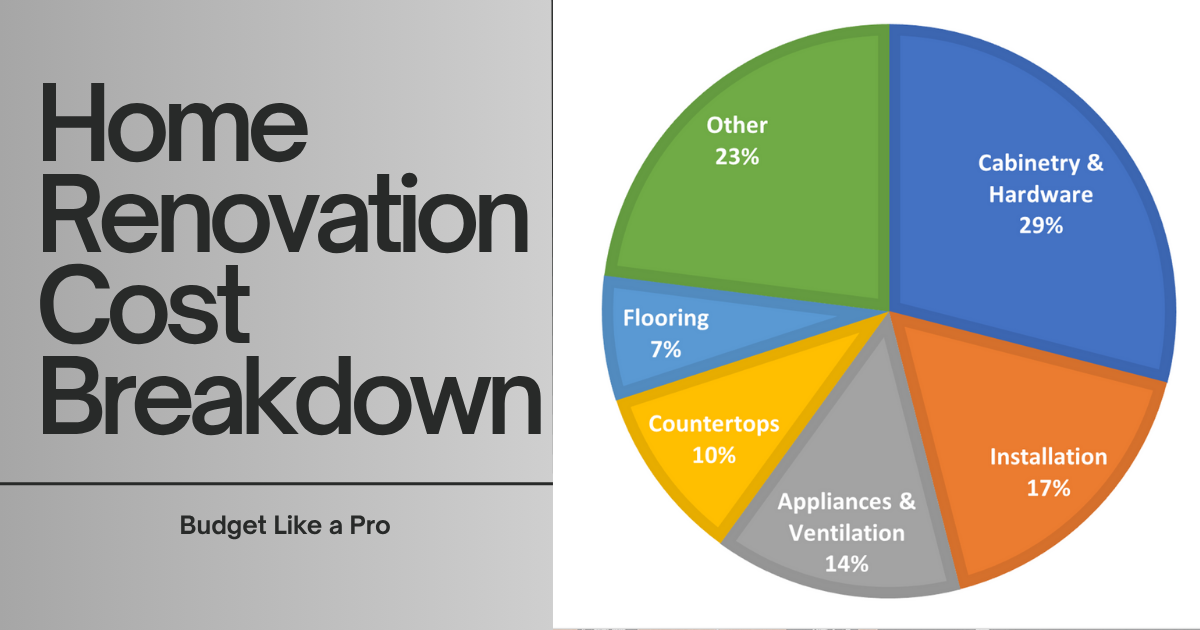

Planning a home renovation in 2026 is one of the biggest financial decisions you will make as a homeowner. Whether you want a modern kitchen, a refreshed bathroom, or a full house overhaul, skipping the planning phase costs you thousands. This complete home renovation guide walks you through every step so you get the results you want without blowing your budget.
Quick Facts: Home Renovation at a Glance (2026)
Before you hire anyone or touch a single wall, here is where the market stands right now.
| Factor | Data (2026) |
|---|---|
| Average whole home renovation cost | $52,275 for a 1,250 to 1,600 sq ft home |
| Cost range for most homeowners | $19,500 to $88,400 |
| Per square foot (standard updates) | $15 to $60 |
| Per square foot (luxury finishes) | Up to $150 |
| Total US renovation market size | $524 to $526 billion projected in early 2026 |
| Homeowners hiring professionals | 93% plan to hire pros in 2026 |
| Recommended contingency buffer | 20% on top of your total estimate |
| Homeowners staying and renovating | 79% plan to stay put rather than move |
Early Life of a Renovation: Setting Your Goals First
Every successful home renovation starts with one question. What do you actually want this space to do for you?
This is not about picking tile or countertop colors. It is about function. A kitchen built in the 1960s was designed for cooking alone, not for the way modern families gather, work, and entertain together. A bathroom from the 1990s likely lacks the storage, ventilation, and layout you actually need today.
Write down three to five non-negotiable functional goals for the space before you do anything else. These goals become your anchor when costs climb and decision fatigue sets in. When a contractor suggests a $10,000 upgrade you never asked for, your goals tell you immediately whether it belongs in the project or not.
How to Build a Renovation Budget That Holds Up
Your budget is the most important document in the entire renovation. Build it wrong and you run out of money before the project is finished. Here is how to do it properly.
In 2026, renovation costs are trending upward across every project type. Material prices remain elevated compared to pre-2023 levels, and skilled labor continues to be in short supply. General contractors charge $50 to $150 per hour. Licensed plumbers charge $45 to $200 per hour. Electricians charge $50 to $130 per hour. Labor now makes up the largest single portion of most renovation budgets.
Follow these steps to build a budget that actually works:
Step 1: Define your scope first. One room or the whole house? The scope sets every number that follows.
Step 2: Get at least three contractor quotes. One quote is a starting point. Three give you a real picture of what the market looks like.
Step 3: Add a 20% contingency on top of your total estimated cost. Hidden water damage, outdated wiring, and structural surprises appear in almost every renovation the moment walls open up.
Step 4: Break costs into categories. Labor, materials, permits, design fees, and temporary accommodation each need their own line item.
Step 5: Separate must-haves from nice-to-haves before you begin. When costs increase, and they will, you already know exactly what to cut.
Room by Room Cost Breakdown for 2026
Knowing what each room costs in real numbers stops you from being caught off guard mid-project.
| Room or Project Type | 2026 Cost Range |
|---|---|
| Minor kitchen remodel | $25,000 to $35,000 |
| Mid-range kitchen remodel | $35,000 to $65,000 |
| Full luxury kitchen | $80,000 and above |
| Small powder room | $5,000 to $10,000 |
| Standard full bathroom | $12,000 to $18,000 |
| Complete bathroom renovation | $25,000 to $50,000 |
| Bedroom remodel (basic) | $1,500 to $5,500 |
| Whole house standard renovation | $19,500 to $88,400 |
| Whole house luxury renovation | $100 to $300 per sq ft |
Kitchen remodels consistently deliver ROI between 72% and 96% depending on project scale. Smaller kitchen updates in the $19,000 to $27,000 range outperform large gut renovations every single time. A mid-range bathroom renovation typically recoups around 60% to 73% of its cost at resale, making bathrooms one of the smarter investments you can make.
How to Get the Right Permits Before Work Starts
Skipping permits is one of the most expensive mistakes a homeowner can make. If you skip this step, you risk fines, forced removal of completed work, and serious problems when you try to sell the house later.
Any project that changes your home’s structure or touches primary systems including electrical, plumbing, and HVAC will require a permit. This covers kitchen remodels, bathroom additions, deck construction, and room additions. The permit process involves submitting your project plans to your local building department for approval.
Work with your contractor to handle the permit process early. In most areas, permitting takes around four weeks but can run longer depending on local regulations and the complexity of your project.
How to Hire a Contractor You Can Actually Trust
Hiring the right contractor is the single decision that determines whether your renovation goes smoothly or turns into a nightmare. Here is what to look for and what to avoid.
Check credentials first. A trustworthy contractor carries a valid license, full insurance, and strong references from recent clients. Ask for all three before any conversation about price.
Structure payments by milestone. Never pay a large sum upfront. A small deposit to begin is standard. Every payment after that should be tied to a specific completed phase of the work.
Watch for these red flags. Contractors who demand full payment upfront, cannot provide references, or push you to skip permits are telling you everything you need to know.
Get everything in writing. Scope of work, timeline, payment schedule, materials, and warranty terms all belong in a signed contract before work begins.
93% of homeowners in 2026 plan to hire professionals for their renovation projects rather than going the DIY route. For anything involving structural changes, electrical, or plumbing, this is the right call.
Renovation Timeline: What to Expect at Every Phase
One of the most common mistakes homeowners make is underestimating how long everything takes. Here is a realistic timeline for major renovation types in 2026.
| Phase | Typical Duration |
|---|---|
| Planning and design | Up to 2 months |
| Permit approval | 4 to 6 weeks |
| Kitchen remodel | 8 to 12 weeks |
| Bathroom remodel | 6 to 8 weeks |
| Room addition | 3 to 4 months |
| Whole house renovation | 4 to 12 months |
Set your schedule with these durations in mind and add buffer time for material delays, which are still common in 2026 due to supply chain pressures and ongoing tariff impacts on imported building materials.
How to Finance Your 2026 Renovation
Most homeowners in 2024 and 2025 paid for renovations out of personal savings. About 84% used money they already had. Credit cards covered costs for 29% of homeowners. Home equity lines of credit were used by around 6% of renovators.
For 2026, home equity loan and line of credit rates average 8% to 9%. Personal renovation loans carry rates from 7% to 12% depending on credit quality. If you carry significant equity in your home, a HELOC gives you flexible access to funds as the project progresses rather than in one lump sum.
Get financing approved before you finalize your project scope. Pre-approval strengthens your negotiating position with contractors and removes last-minute delays at the start of construction.
Smart Ways to Cut Costs Without Cutting Quality
You do not have to spend top dollar to get a great result. Here are the moves that consistently save money without hurting the finished product.
Keep your existing layout wherever possible. Moving plumbing and electrical lines is expensive. If your kitchen layout works, update the surfaces and fixtures rather than relocating pipes and wires.
Reface cabinets instead of replacing them. This one decision saves $5,000 to $15,000 on a kitchen renovation while producing a completely fresh look.
Choose quartz countertops over natural stone. You get a similar appearance with lower maintenance costs and a lower price tag.
Buy materials yourself where you can. Contractors mark up materials. Purchasing tile, fixtures, and hardware directly cuts that markup out of your total spend.
Time your project for late winter or early spring. Contractor schedules open up and you may negotiate better rates during slower periods before the busy summer season begins.
Lesser Known Facts About Home Renovation in 2026
Most renovation articles skip these details. You should know them before you start.
Renovation spending is projected to grow 2.4% in 2026, reaching a record $524 to $526 billion. This means contractor demand is high and availability is limited. Book your contractor earlier than you think you need to.
Material costs rose approximately 5.6% compared to 2025 due to inflation and tariff impacts on imported goods. This affects lumber, tile, appliances, and fixtures across the board.
79% of homeowners are choosing to renovate their current home rather than move. The combination of high mortgage rates and limited housing inventory makes renovation a financially stronger option than buying a new property in most US markets right now.
Older homes built before 1980 should add 15% to 25% on top of the standard 20% contingency. Problems hiding behind walls in older homes are the rule, not the exception.
Final Thoughts
A home renovation done right adds real value to your property and genuine quality to your daily life. The homeowners who get the best results are not the ones with the biggest budgets. They are the ones who plan before they spend, hire people they can trust, and stay flexible when surprises come up.
Start with your goals. Build your budget with a 20% buffer. Get your permits sorted early. Choose your contractor carefully. And keep your must-have list close throughout the entire project.
Do those things and your renovation has every reason to go well.
Frequently Asked Questions
How much does a home renovation cost in 2026?
The average whole home renovation cost in 2026 is $52,275 for a home between 1,250 and 1,600 square feet. The range for most homeowners runs from $19,500 to $88,400 depending on scope, materials, and location. Luxury renovations can reach $150 per square foot or more.
How much contingency budget should I add to my renovation?
You should add 20% on top of your total estimated renovation cost as a contingency. For older homes built before 1980, add 15% to 25% on top of that. Hidden structural issues, water damage, and outdated systems appear in almost every renovation once walls open up.
Do I always need a permit for home renovation work?
You need a permit for any work that affects your home’s structure or its primary systems. This includes electrical, plumbing, HVAC changes, room additions, kitchen remodels, and deck construction. Skipping permits leads to fines, forced removal of completed work, and complications when selling your home.
What renovation gives the best return on investment in 2026?
Minor kitchen remodels in the $19,000 to $27,000 range deliver the strongest ROI, returning between 72% and 96% of cost at resale. Mid-range bathroom renovations return around 60% to 73%. Large scale luxury renovations generally deliver lower percentage returns even though they increase overall property value.
How long does a full home renovation take in 2026?
A whole house renovation takes between 4 and 12 months from start to finish. A kitchen remodel takes 8 to 12 weeks. A bathroom takes 6 to 8 weeks. Planning and permits add another 2 to 3 months before construction even begins. Always build buffer time into your schedule for material delays and permit processing.

We have experienced article publishers with a strong background in digital media, SEO writing, and content strategy. Skilled in creating engaging, well-researched, and reader-focused articles that drive traffic and build authority. Passionate about delivering high-quality content across diverse niches, maintaining editorial standards, and optimizing every piece for maximum reach and impact.